Boxes, Bureaucracy, and the Real Cost of Shipping Stuff Home from Paranaque
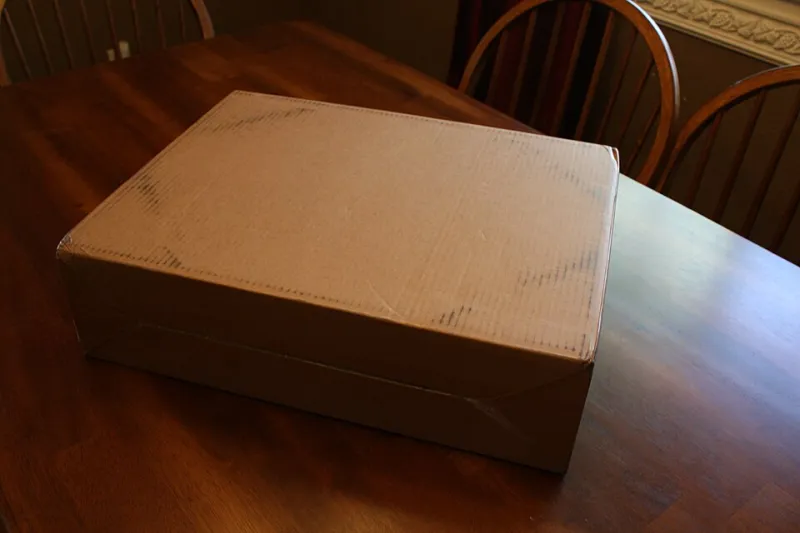
Photo: Tyler, CC BY-SA 2.0, via Wikimedia Commons
At some point, every American expat in Paranaque ends up in the same situation. You've accumulated things — pasalubong for the folks back in Ohio, a handwoven bag you found at a Sucat market, maybe some dried mangoes and local snacks that your sister keeps requesting. And now you need to get all of it to the US without spending a small fortune or waiting three months for it to show up.
Shipping from the Philippines to the US isn't complicated, but it's full of traps. Overpriced courier quotes, customs holds, prohibited items that nobody warned you about — it adds up fast. So let's walk through your actual options, what they'll run you, and where most expats quietly get burned.
Your Three Main Options (And What They're Really For)
Before you default to whatever courier comes up first on Google, it helps to understand that not all shipping methods are built for the same purpose.
Balikbayan Boxes are the Filipino expat's tried-and-true method, and honestly, they're worth knowing about even if you're American. These are large, standardized cardboard boxes — typically around 18x18x24 inches — offered by Philippine-based freight forwarders at flat rates. For sea freight, you're usually looking at somewhere between ₱2,500 and ₱5,000 per box depending on the forwarder and destination city in the US. The catch? Sea freight takes 30 to 60 days. If you're sending non-perishables and you're not in a rush, this is genuinely the most cost-effective route for volume.
Courier Services — your DHL, FedEx, and LBC options — are fast (typically 3 to 7 business days to the US) but expensive. A 5-kilogram package going to California via DHL from a Paranaque pickup point can easily run you ₱7,000 to ₱12,000 or more depending on declared value and dimensions. For small, high-value, or time-sensitive items, couriers make sense. For bulky goods or anything heavy, you'll often find yourself paying more in shipping than the items are worth.
Freight Forwarders sit somewhere in the middle and are worth considering if you're shipping large quantities or moving furniture and personal effects. Companies operating out of the Manila Bay area and near NAIA offer consolidated cargo services that can work out cheaper per kilogram than standard couriers, though they require more paperwork and coordination on your end.
The DHL Trap (And When to Avoid It)
DHL has great brand recognition and reliable tracking, but it's almost never the cheapest option out of Paranaque, and for certain package types, it's not even the most reliable. Here's the thing a lot of expats don't realize: DHL's dimensional weight pricing can absolutely wreck you if you're sending anything light but bulky — think stuffed toys, woven baskets, or that decorative capiz shell lamp you're convinced your mom will love.
Dimensional weight means they calculate the chargeable weight based on the size of the box, not just what's on the scale. A lightweight package in a medium box can suddenly bill you for 8 kilograms when you're only shipping 2. Always get quotes from at least two to three services before committing, and ask specifically about dimensional weight calculations.
For documents and small high-value items, DHL is still solid. For everything else, shop around.
What Philippine Customs Will (and Won't) Let You Send
This is where a lot of first-time shippers run into trouble. The Bureau of Customs in the Philippines has its own list of restricted and prohibited exports, and it doesn't always line up with what you'd expect.
Items that commonly get flagged or delayed include: antiques and items that could be classified as cultural artifacts, certain animal products (including some shells and coral-based crafts), fresh or unprocessed food items, and anything over a certain declared value that triggers export documentation requirements.
On the US side, the FDA and USDA have their own rules about what can enter the country. Dried fruits and commercially packaged snacks usually clear fine. Fresh produce, meat products, and certain plant materials often don't — or require inspection that can delay delivery by weeks. If you're sending food gifts, stick to commercially sealed, clearly labeled products and declare everything accurately.
Underdeclaring value to save on duties is one of those things that sounds clever until a customs officer decides to open the box. The fines aren't worth it, and in worst-case scenarios, packages get seized entirely.
Practical Tips That Actually Help
Pack smart for sea freight. Balikbayan boxes get handled a lot over a 45-day journey. Double-box fragile items, wrap breakables in clothing instead of just bubble wrap, and avoid packing anything liquid that could leak and damage everything else.
Use a Paranaque-based forwarder you can physically visit. There are several balikbayan box consolidators operating near the BF Homes area and along Dr. A. Santos Avenue. Being able to walk in, ask questions, and get a printed receipt matters more than you'd think when you're trusting someone with your stuff.
Track declared values carefully. For US Customs, packages valued under $800 generally clear duty-free. If you're sending multiple packages around the same time to the same address, CBP can and does aggregate them.
Keep records of what's in each box. Sounds obvious, but people forget. A simple photo of the packed contents before sealing saves enormous headaches if something goes missing or gets flagged.
Ask about door-to-door vs. port-to-door services. Some freight forwarders only deliver to a US port or distribution hub, meaning someone stateside has to arrange final delivery. Know what you're paying for before you commit.
The Bottom Line
Shipping from Paranaque to the US isn't rocket science, but it rewards a little homework. If you're sending bulk items and you have time, balikbayan boxes via a reputable sea freight forwarder are hard to beat on price. If you need speed or you're shipping something valuable and fragile, a courier service is the right call — just get multiple quotes and watch out for dimensional weight pricing.
The real mistakes happen when people default to the most familiar name, skip the customs research, or try to game the declared value system. Do those three things right and the rest is mostly just waiting for the tracking number to update.
Paranaque has enough shipping and logistics options close to NAIA that you're genuinely well-positioned compared to expats in more remote parts of the Philippines. Use that advantage.