Your Paranaque Budget Unpacked: What You're Actually Spending (And Where the Real Savings Hide)
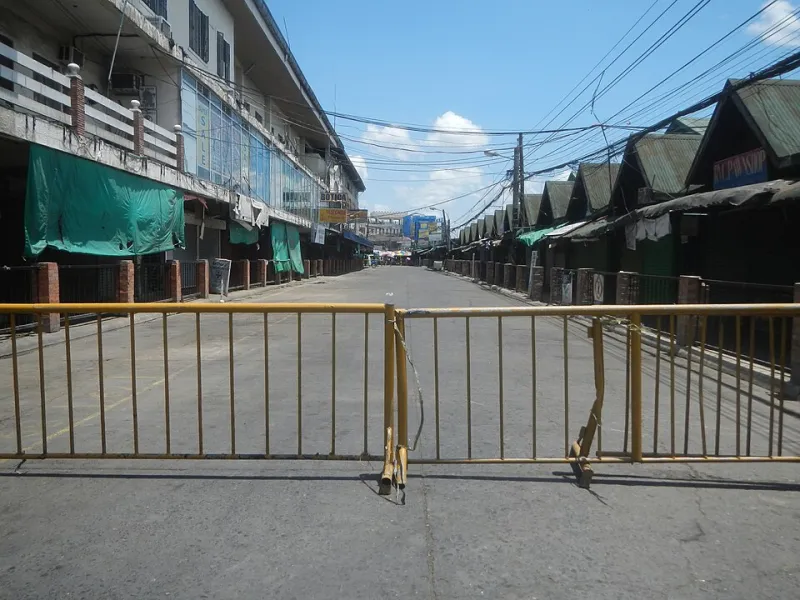
Photo: JFVelasquez Floro, CC0, via Wikimedia Commons
There's a story a lot of American expats tell themselves when they first land in Paranaque. It goes something like this: Everything is so affordable here. I'm basically saving money by breathing. And look — there's truth in that. But there's also a version of that story where you're six months in, your bank account is looking thinner than expected, and you're genuinely confused about where it all went.
The Philippines isn't a financial magic trick. It's a different cost structure. And understanding the difference between those two things is what separates expats who build real financial cushion here from those who are perpetually surprised by their own spending.
Let's actually look at the numbers.
Rent: The One Line Item That Usually Delivers
This is where Paranaque genuinely earns its reputation. A decent one-bedroom apartment in a mid-range condo development — think somewhere in the BF Homes area or near Sucat — runs roughly ₱18,000 to ₱28,000 a month. At current exchange rates, that's somewhere between $320 and $500 USD. For comparison, the average one-bedroom apartment in a mid-sized American city like Denver or Austin is hovering north of $1,500.
If you're coming from San Francisco, New York, or Seattle? The gap is even more dramatic. Rent alone can justify the move.
Where people get tripped up is expecting that gap to cover everything else. It doesn't.
Groceries: The Imported Tax Is Real
Here's where the math gets interesting. Local produce, rice, fish, and eggs? Genuinely inexpensive. A kilo of bangus (milkfish) at the Baclaran market might cost you ₱180. A tray of eggs runs around ₱200. Fresh vegetables from the wet market are priced in ways that would make your American grocery receipt look like a typo.
But if you're shopping the way you did back home — reaching for imported cereals, specific cheese brands, American-style deli meats, or name-brand snacks — you're going to feel a very specific kind of financial pain. Imported goods at Robinsons or SM carry a significant markup. A box of Cheerios can run ₱350 to ₱450. A decent block of imported cheddar? You might pay ₱600 or more.
The expats who keep their grocery bills low are the ones who've genuinely adapted their shopping habits. Those who haven't tend to spend nearly as much on food as they did stateside — just with a lot more traffic involved in getting to the store.
Realistic monthly grocery budget:
- Mostly local products, wet market shopping: ₱8,000–₱12,000 for one person
- Heavy reliance on imported goods and supermarket shopping: ₱18,000–₱25,000+
Utilities: The Surprise Line Item Nobody Warns You About
Electricity in the Philippines is expensive. Full stop. Meralco rates are among the highest in Southeast Asia, and if you're running air conditioning the way most Americans expect to — which, given the heat and humidity here, is pretty much constantly — your bill will reflect it.
A one-bedroom apartment running AC most of the day can generate an electric bill of ₱4,000 to ₱8,000 per month, sometimes more during summer. Compare that to the roughly $100–$150 average electric bill in many US states, and you're not saving as much as you thought on this line item.
Water bills are low. Internet is reasonable — a solid fiber connection runs ₱1,500 to ₱2,500 monthly depending on your provider and plan. But electricity is the wildcard that catches a lot of newcomers off guard.
Pro tip: Ceiling fans, strategic AC scheduling, and keeping units clean and serviced can meaningfully cut your bill. It's not glamorous advice, but it works.
Transportation: Cheaper, But It Costs You Something Else
Not owning a car in Paranaque is entirely doable, and it will save you money compared to American car ownership costs. Grab rides, jeepneys, and the occasional UV Express trip keep daily transport costs low — many expats spend ₱1,500 to ₱3,000 a month on getting around without a vehicle.
If you do own or rent a car, factor in fuel (currently around ₱65–₱70 per liter for gasoline), parking fees, and the very real cost of sitting in traffic that will eat hours of your week. Some people find the time cost of traffic genuinely affects their work output and mental health — which has its own indirect financial implications if you're running a business or billing by the hour.
Dining Out: The Good News Column
This is where Paranaque shines without asterisks. A solid meal at a local Filipino restaurant — turo-turo style or a sit-down carinderia — runs ₱80 to ₱200 per person. Merienda from a street vendor is almost nothing. Even a mid-range restaurant dinner for two with drinks rarely exceeds ₱1,000.
For Americans used to $15 lunch plates and $60 dinner checks, this part of the lifestyle feels almost surreal at first. And it's sustainable — there's genuinely good food at every price point in Paranaque, from the smoky ihaw spots near the bay to the family-run Chinese restaurants in the Baclaran area that have been feeding people for decades.
Where the dining budget creeps up is when expats default to Western restaurant chains or upscale spots in BGC (which is technically Taguig but a common hangout). Those meals price closer to American equivalents.
Building a Realistic Monthly Budget Framework
Here's a rough framework for a single American expat living a comfortable but not extravagant life in Paranaque:
| Expense | Conservative | Comfortable |
|---|---|---|
| Rent (1BR condo) | ₱18,000 | ₱28,000 |
| Groceries | ₱10,000 | ₱18,000 |
| Electricity | ₱4,000 | ₱7,000 |
| Internet + Water | ₱2,500 | ₱3,000 |
| Transportation | ₱2,000 | ₱4,500 |
| Dining out | ₱5,000 | ₱12,000 |
| Misc / Entertainment | ₱3,000 | ₱8,000 |
| Total (approx.) |
That range — roughly $800 to $1,500 a month — is a realistic picture for most single expats. Couples and families will scale up, but the proportional savings versus comparable US living still hold.
The Mindset Shift That Actually Matters
The expats who thrive financially in Paranaque aren't necessarily the ones who came with the most money. They're the ones who stopped trying to replicate their American lifestyle at Philippine prices and actually engaged with what this place offers on its own terms.
That means shopping the wet markets when you can. It means learning which local restaurants are genuinely great and not defaulting to comfort-food chains. It means accepting that AC discipline is part of life here, not a sacrifice.
Paranaque can absolutely be the affordable, quality-of-life upgrade you're imagining. But the savings are real only when the lifestyle is real — not when you're importing your old habits to a new zip code and wondering why the math isn't working.
The city will meet you halfway. The other half is on you.


