Driving in Paranaque Without Getting Played: The Real Expat's Guide to Philippine Traffic Laws
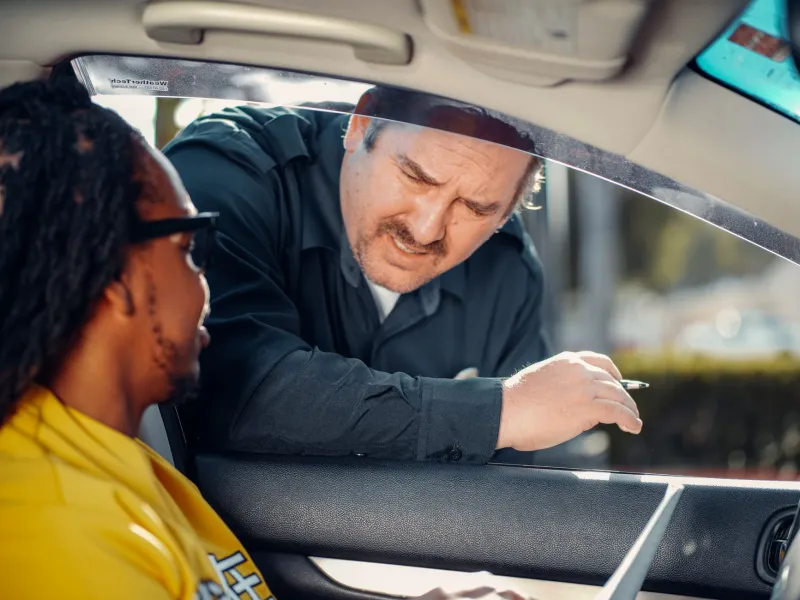
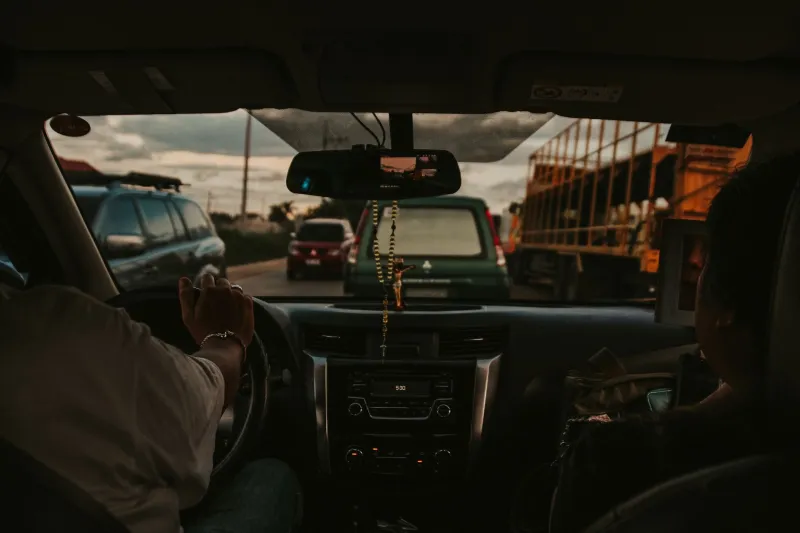
Let's get one thing straight: driving in Paranaque is not like driving in Phoenix or Portland. The roads here have a rhythm of their own — part organized chaos, part unspoken social contract — and the rules that govern them are applied with a flexibility that can genuinely surprise first-timers from the US. You've got your license. You know how to handle a car. But do you know what to do when a traffic enforcer flags you down on Aguirre Avenue at 7:30 in the morning, and something about the whole interaction feels a little off?
That's what this guide is actually about.
What Philippine Traffic Law Actually Says (The Short Version)
The Land Transportation and Traffic Code — Republic Act 4136 — is the main framework governing road behavior across the Philippines, including Paranaque. On top of that, the Land Transportation Office (LTO) issues administrative orders that get updated with some regularity, and local government units like the City of Paranaque layer their own ordinances on top of everything else.
The basics will feel familiar: speed limits, seatbelt requirements, no texting while driving, designated lanes. But a few things will catch you off guard.
Coding. Paranaque observes a color-coded number scheme (UVVRP — Unified Vehicular Volume Reduction Program) that restricts which vehicles can be on certain roads during peak hours based on the last digit of your plate number. If you're coming from Metro Manila proper, you might already know this. If you just bought a car and don't yet, learn your plate number's day before you drive anywhere near major roads during rush hour.
No contact apprehension. The MMDA and some LGUs use cameras to issue violations without a physical stop. You might not even know you have a ticket until you go to renew your registration. Check your plate regularly through the LTO's online portal.
Counterflow rules. This one trips up a lot of expats. Counterflowing — driving against traffic — is technically illegal, but you'll see it happening constantly on Paranaque's side streets. That doesn't make it legal for you. Enforcement is inconsistent, but when it does happen, the fines are real.
What a Legitimate Traffic Stop Actually Looks Like
Legal traffic enforcers in Paranaque operate under two main authorities: the city's own traffic management office (PTMO — Paranaque Traffic Management Office) and the MMDA for national roads like Roxas Boulevard and parts of the South Luzon Expressway corridor.
When a legitimate enforcer flags you down, here's what should happen:
- They identify themselves clearly and show an ID if asked.
- They state the specific violation — not a vague "you did something wrong."
- They issue a written traffic citation ticket (TCT) with the violation code, their name and badge number, your license details, and the amount of the fine.
- Your driver's license may be confiscated as a guarantee that you'll pay the fine or appear at the adjudication office — this is actually legal under RA 4136.
- You are not required to pay on the spot. If anyone asks you to pay cash right then and there, that is not the legal process.
Keep that last point in your back pocket. It's the single most important thing to understand about traffic enforcement in the Philippines.
Spotting a Shakedown — And What To Do
Here's the uncomfortable truth: not every person in a uniform flagging you down has entirely clean intentions. Kotong — the local term for soliciting an unofficial bribe — exists in traffic enforcement here, just like it does in a lot of developing countries. Knowing what it looks like protects you from paying money you don't owe and from getting roped into something that could actually make your legal situation worse.
Red flags to watch for:
- The enforcer is vague about what you actually did wrong.
- They suggest you can "just settle this here" or hint that things will go easier if you work something out.
- No written ticket is being prepared.
- They're overly friendly in a way that feels transactional — asking about your work, how long you've been here, whether you know anyone.
- The stop happens in a low-visibility area, late at night, or away from other vehicles.
What to do if you suspect something's off:
- Stay calm and stay polite. Getting aggressive or confrontational is the worst move.
- Ask for a written ticket. Just say, calmly, "Can I have my citation ticket please?" A legitimate enforcer will produce one. A kotong cop often won't.
- Document everything. If it's safe to do so, note the badge number, the time, the location. Some expats discreetly record on their phones — just be careful about how visible that is.
- Don't hand over your license until a ticket is being written. You can ask to see their ID first.
- Report it. The MMDA has a hotline (136) and a text complaint system. The Paranaque city government also has a feedback mechanism. Reports don't always lead anywhere, but they do create a paper trail.
Paying Actual Fines the Right Way
If you genuinely committed a violation and received a legitimate ticket, don't panic. The process is manageable.
LTO-issued violations are typically handled at LTO district offices — the one serving Paranaque is in the general Metro Manila South area. You'll settle the fine, retrieve your license, and be on your way. Bring the ticket, your OR/CR (official receipt and certificate of registration), and some patience because lines can be long.
For MMDA violations, you can pay at MMDA offices, certain banks, or through their online payment portal. Don't let tickets pile up — outstanding violations can block your registration renewal, and that's a headache you don't want.
The Paperwork You Should Always Have in Your Car
This is basic but worth spelling out for expats who are still figuring out the local system:
- Driver's license (foreign licenses are valid for 90 days; after that you need a Philippine license)
- Official Receipt (OR) and Certificate of Registration (CR) — these prove the vehicle is legally registered
- Insurance certificate — third-party liability insurance is mandatory
- Emission test certificate — required for registration renewal and technically supposed to be current
If you're driving someone else's car, carry an authorization letter from the registered owner. It's not legally required in every situation, but it can save you a serious headache if questions come up.
A Note on the 90-Day Rule
If you're still running on a US driver's license, the clock is ticking. The Philippines allows foreign license holders to drive for 90 days from arrival. After that, you're legally required to convert to a Philippine license. Driving on an expired foreign license isn't just a technical violation — it can complicate any accident claim or legal situation significantly. If you haven't handled this yet, make it a priority.
The Bottom Line
Driving in Paranaque rewards people who stay informed and stay calm. The traffic laws aren't wildly different from what you're used to — it's the enforcement environment that takes some adjustment. Know your rights, carry your paperwork, refuse to pay cash at the roadside, and don't let anyone rush you into a decision. Most traffic stops here are completely routine. The ones that aren't are a lot easier to handle when you already know what legitimate looks like.